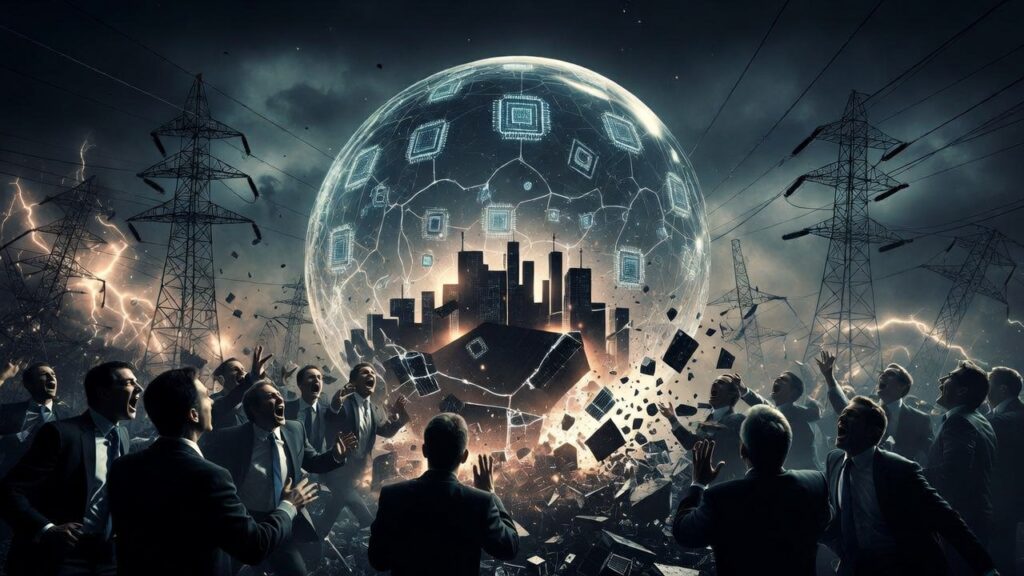
There’s so much hubbub about the word “cinematic” in AI filmmaking circles. “cinematic” cameras, color grade, lighting, etc.
But even if you have the most “cinematic” visuals in the world, your video might still fall flat.
Why? Because cinema isn’t an aesthetic.
It isn’t a “feeling” either.
It’s a physiological response.
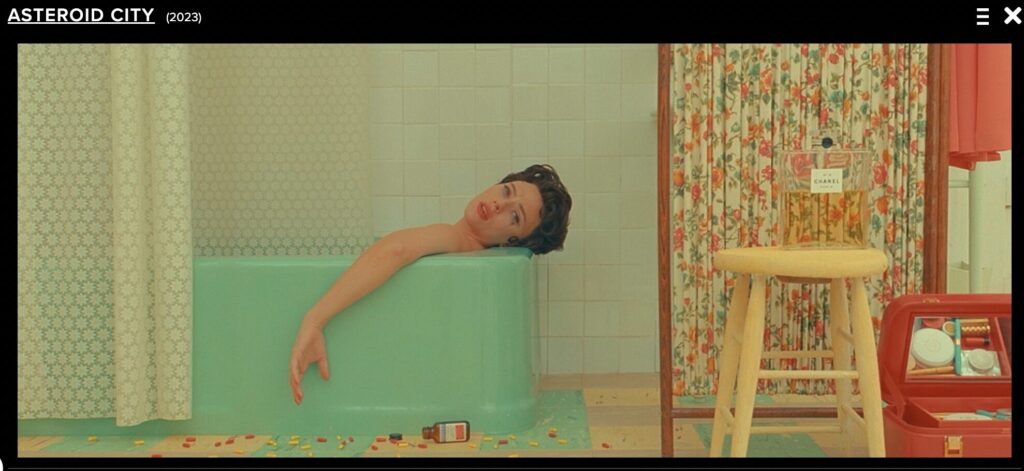
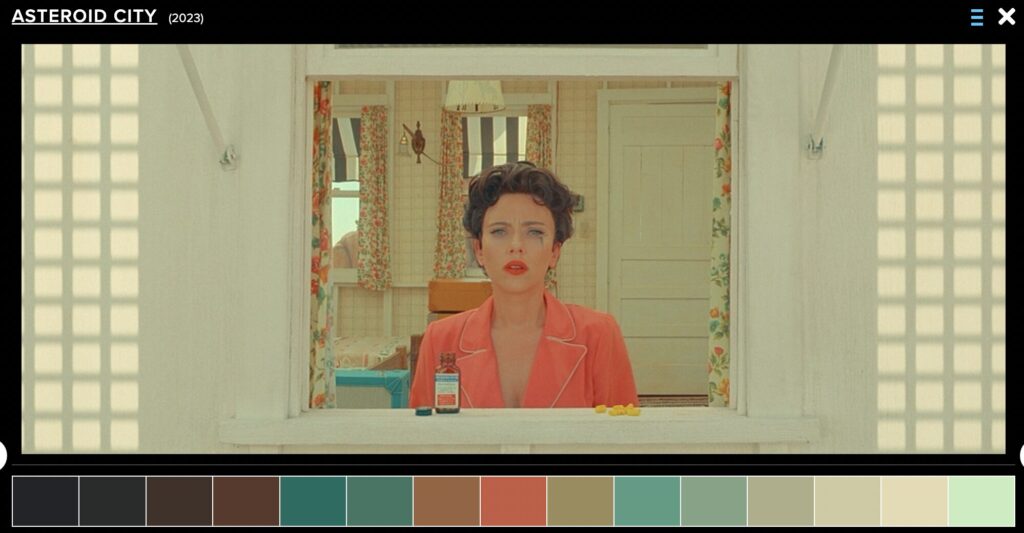
Wes Anderson’s work visually goes against everything most folks think of when it comes to “cinema.” But his films still leave a footprint on the soul. His movies give you the sensation that you’re living inside Wes’s cooky mind for a while. The unnatural color palettes shock the senses. The perfectly placed production design sharpens the messiness of human characters.
Cinema isn’t a single aesthetic, technique, or prompt. It’s when many carefully curated elements align to provoke a response – Direction.
But the biggest enemy of “cinema” in AI filmmaking, is the uncanny valley.
Because the “ick” of the uncanny valley overshadows everything else.
It triggers a deep rooted physiological response that we as humans evolved for survival (the prevailing theory being that waaay back when humans shared the world with neanderthals, cro-magnons, and other hominids, we learned to tell the difference at a glance because the groups didn’t exactly get along).
THAT SAID, I want to highlight an AI filmmaker who successfully evokes cinema in nearly every video. Their work has largely gone under the radar, which is a shame because many of their clips are powerful.
You’ll see that most of gamiorbeai‘s videos have minimal plot – there’s no epic “Save the Cat” script story structure, they are not character-driven, and do not use fancy camera moves or effects (though some other videos on their channel do).
But they don’t need any those things! They don’t even need dialogue – everything you need to know is clearly communicated no matter what language, if any, appears.
Relatable, intimate concepts – Regret, Guilt, Familiar, Kinship, Summer Heat, Surrender
They are intensely focused on impressing a mood. As if answering a highly specific question that the viewer never asked, but which we find ourselves pondering as the video unfolds.
You’ll see in their videos, that the editing and sound design are key. In terms of shots, “messy” shots are welcomed. They prioritize emotional legibility over visual fidelity. Moments blur into nothing, but work as transitions to carry one emotion into the next. There are plenty of “imperfect” moments, but deliberate, quick edits here and there keep the audience’s attention.
They cut away before the brain has time to inspect and locate what’s not real. The editorial pace and flow hides AI artifacts.
This is captivating. This is cinema.
-
Gen AI prompting has gone through quite an evolution over the past year. But in the AI video…
-
Cinema Studio’s new “Create 3D scene” feature can look like a true 3D reconstruction tool, but the behavior…
-
FULL TRANSPARENCY: The following blog post represents a discussion I had with Grok over 3 days about the…
-
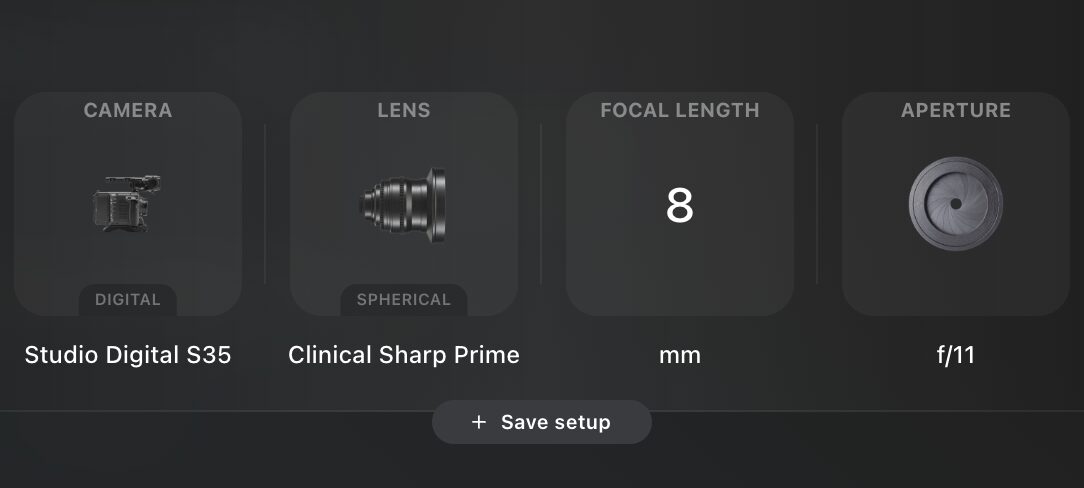
Higgsfield AI has recently switched up the naming conventions of their camera and lens combos in their popular…
-

“Distribution is an integral part of the film industry; without it, a film doesn’t get seen.” – Studio…
-
A few hours ago, a clip came out where Matt Damon explains the real world impact of AI…
-
A lot of folks commented about the Shotdeck short cut i shared in my Higgsfield comparison video, so…
-
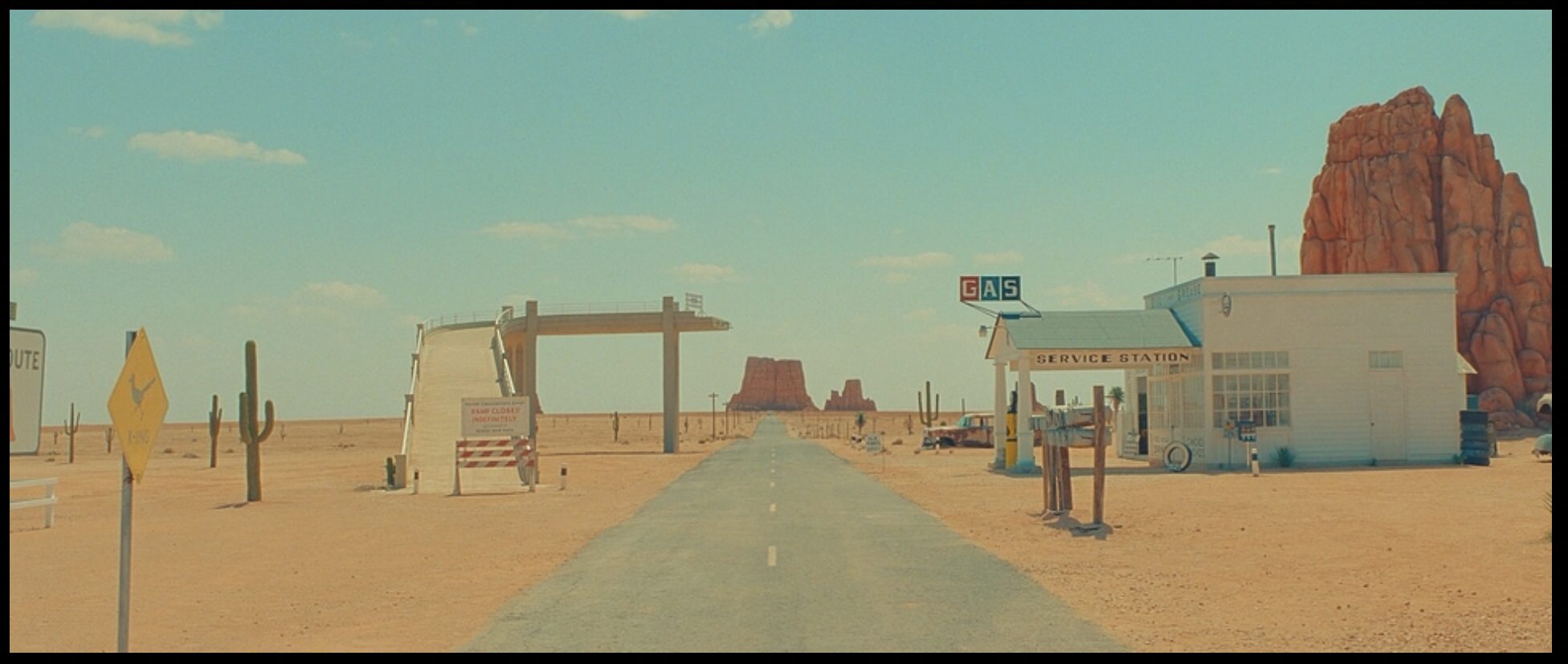
There’s so much hubbub about the word “cinematic” in AI filmmaking circles. “cinematic” cameras, color grade, lighting, etc….
-
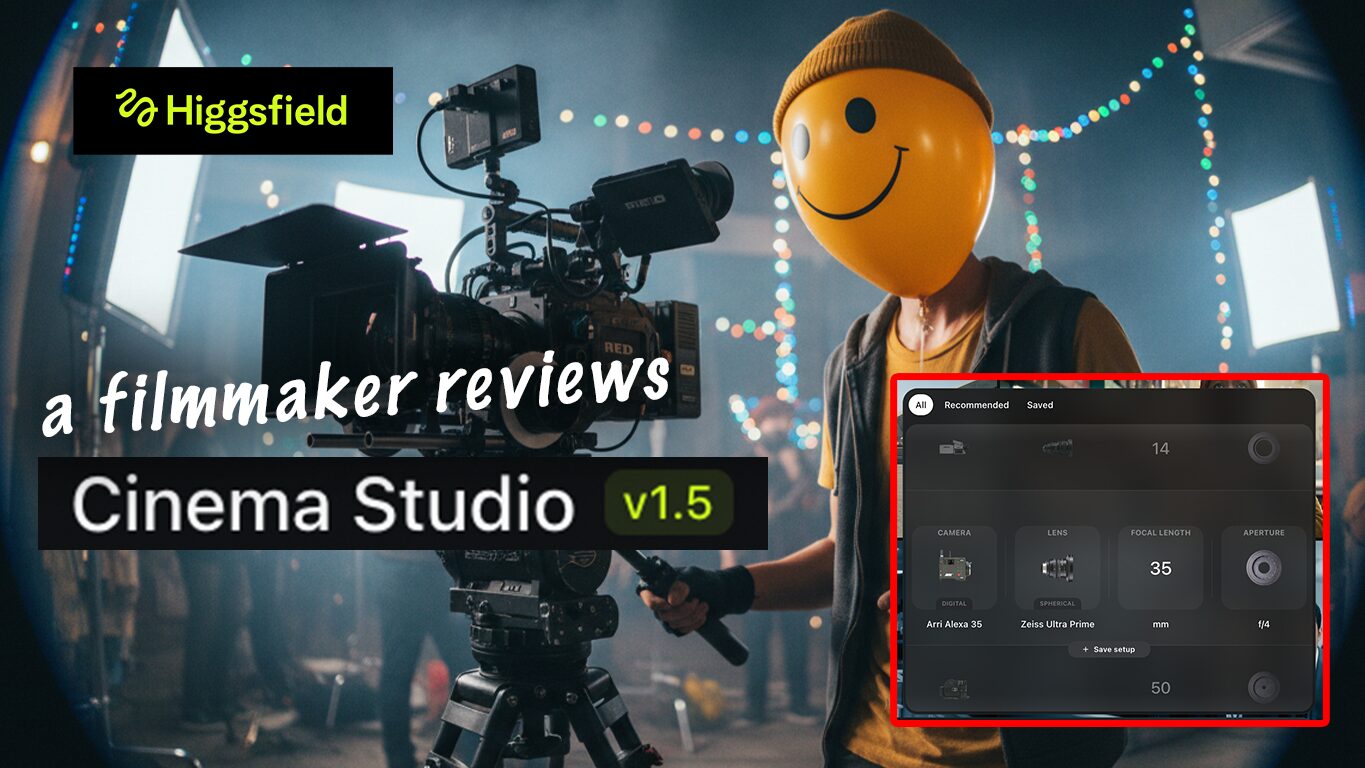
1.5 is here and I wanted to give it a quick review. Overall, I feel like Cinema Studio…